

What the Birds Tell You: Reading a Loch Through Its Wildlife
Before I started keeping a nature journal, I thought of a loch as a single thing, a body of water with a mood. Now I think of it as a series of overlapping conversations, and the birds are the loudest participants. Learning to read them has changed how I walk, and it has made the quiet days far more interesting than the dramatic ones.
The first thing you notice, once you start paying attention, is that different birds occupy different parts of the loch. The open water belongs to the divers and the grebes, birds that dive for fish and surface far from where they went under. The shallower margins belong to the ducks and the waders. The airspace above belongs to the gulls and the occasional osprey in summer. And the shoreline, the messy strip where water meets land, belongs to the herons and the oystercatchers and whoever else is working the edge.
Small Signals, Big Changes
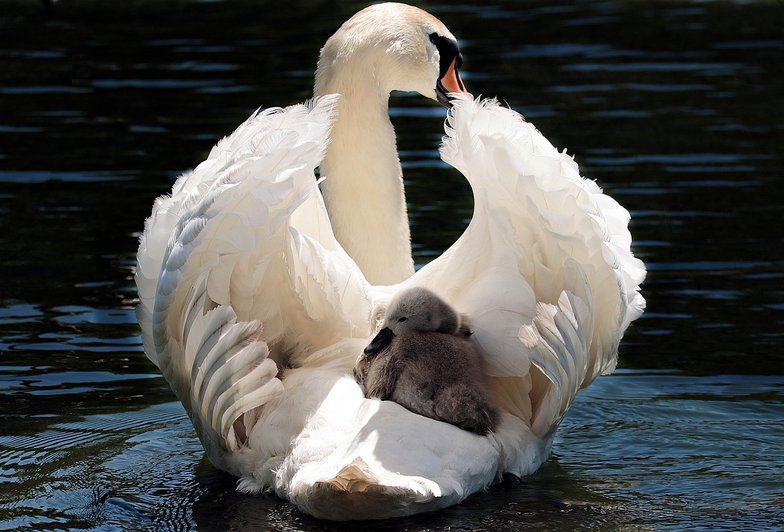
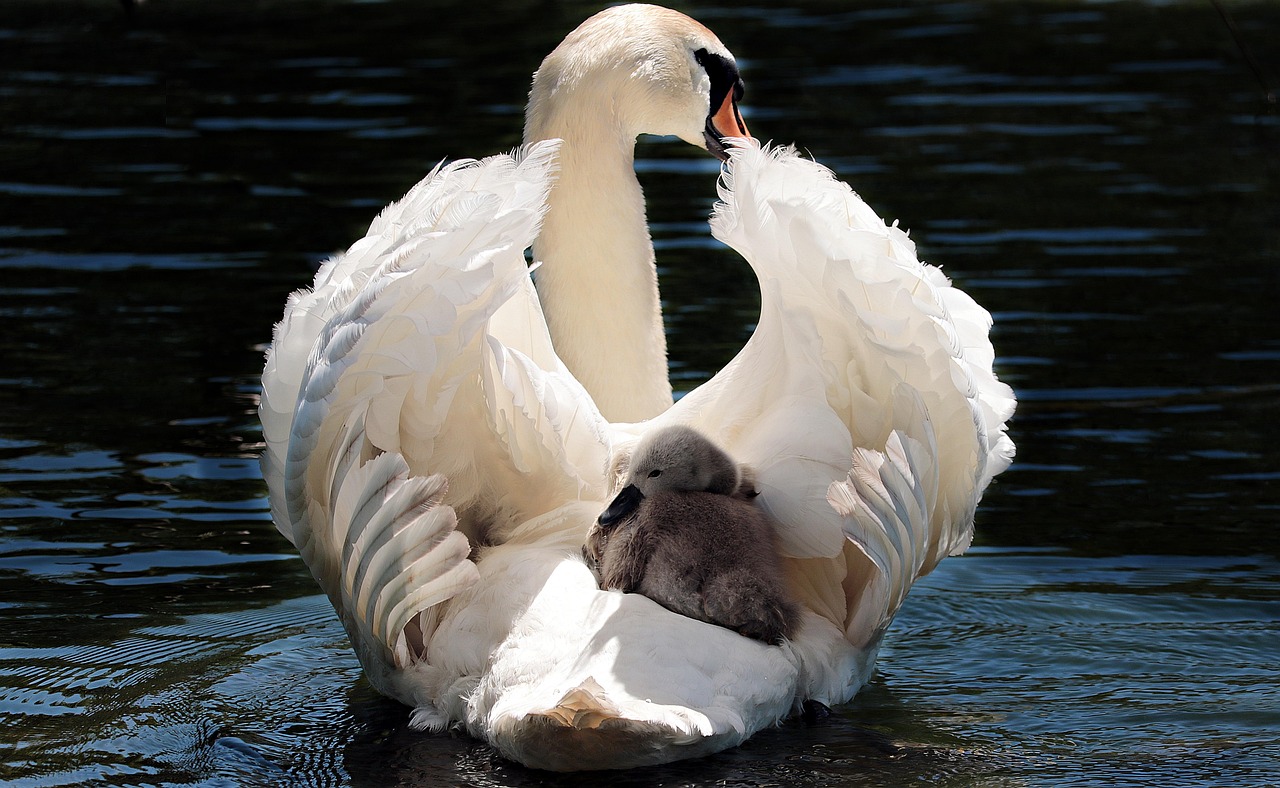
Once you know who lives where, the absences become as informative as the presences. A loch in late autumn that has lost its swallows and its warblers feels different, and the arrival of the first whooper swans is a genuine marker of the turning year. I have a page in my journal for each month, and the swans appear on the October page without fail, usually just after the first hard frost in the hills.
Weather is legible too, if you watch for it. Gulls moving inland often precede a blow. Ducks tucked tight against a sheltered shore tell you the wind is stronger than it feels where you are standing. Herons standing hunched and still in the rain are not miserable, they are working, and they are often the only birds that seem entirely unbothered by a wet morning.
The most rewarding skill, though, is learning to tell the difference between a quiet loch and an empty one. Quiet usually means something is present but not showing. Empty is rarer than you think. Sit for twenty minutes and watch the margins, and you will almost always find a dipper working a burn mouth, or a pair of mallards tucked under an overhang, or the faint ring on the water where a fish has risen.
Keeping a Useful Journal
My journal is not a work of art. It is a small notebook with a date, a location, and a few lines about what I saw and what the weather was doing. Over a year, those lines become a record that no field guide can give you, because it is specific to your loch and your habits.
Write down the boring things. Wind direction, water level, whether the midges were out, what was flowering on the bank. These are the details that make the interesting entries make sense later. Draw badly if you want to. A rough sketch of a bird's posture will teach you more than a perfect copy of a photograph, because you have to look at the bird to make it.
Do this for long enough and the loch stops being a backdrop. It becomes a place with a rhythm, and you start to notice when that rhythm is off. That is the real reward of nature journaling, and it costs nothing but time.


Learning to use birds as a guide to season, weather, and the hidden life of a Scottish loch.
How to enjoy Scotland's lochs in peace, even when every car park seems full.
A defence of grey weather, wet boots, and the particular beauty of a loch in the rain.
A slow, quiet morning on one of Scotland's longest lochs taught me more about patience than any photography course ever did.
Lochside paths can turn from gentle stroll to genuine wilderness in minutes, and knowing how to read the terrain keeps you safe and curious.