
Lochs Without the Crowds: Finding Quiet Water in Every Season
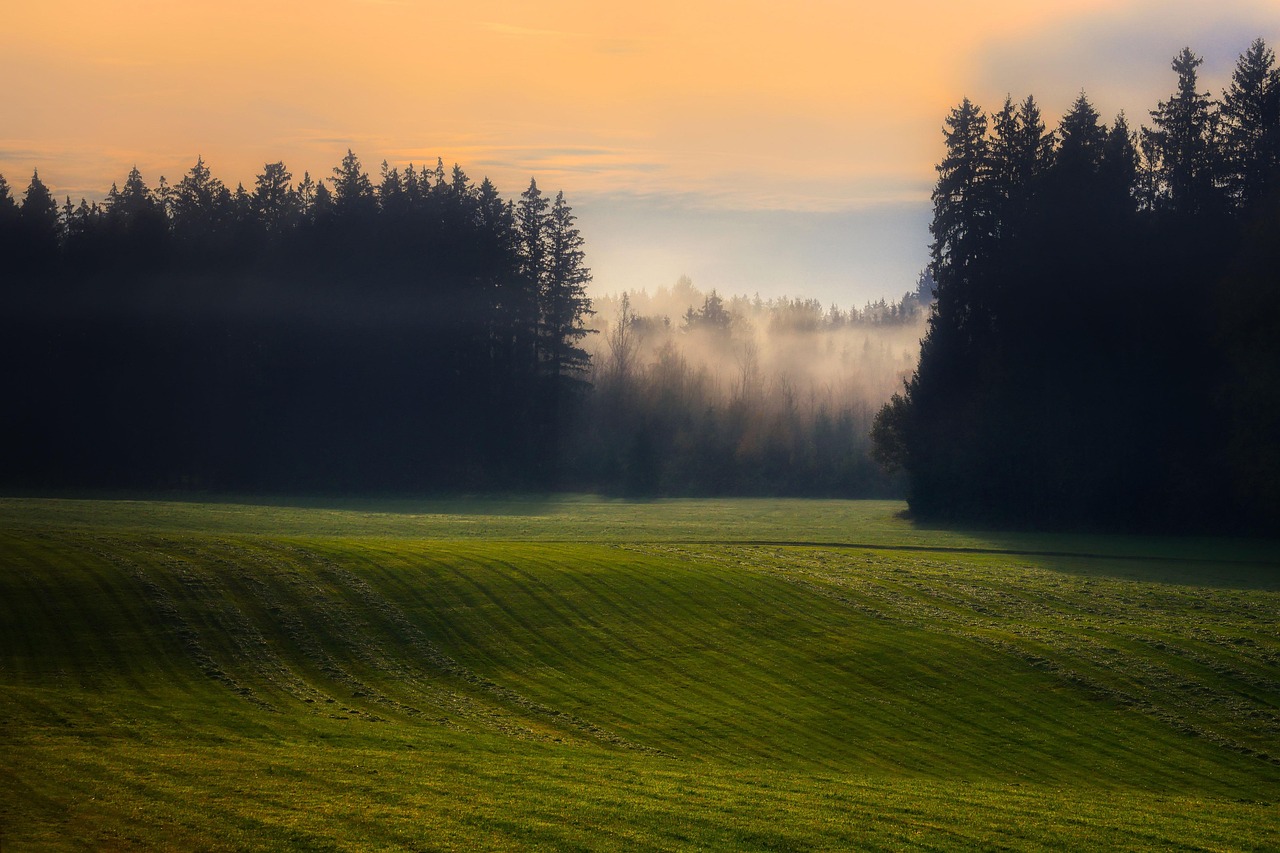
There is a particular frustration that comes with arriving at a loch you have been looking forward to and finding a row of campervans and a queue for the lay-by. It is not that other people should not be there. It is that the version of the place you had in your head, the quiet one, has been temporarily replaced by something noisier, and you have to decide whether to stay or move on.
Over the years I have developed a set of habits for finding the quieter water, and they are mostly about timing and willingness to walk. Neither is glamorous, but both work.
Timing Beats Location
The single most effective thing you can do is go early or go late. The middle of a summer day is when the crowds arrive and when the light is at its flattest anyway. Dawn and the last two hours before dark are when the loch is at its best and when you will have whole stretches of shore to yourself, even at popular spots.
Winter is underrated. Yes, the days are short and the weather is often grim, but the lochs in January have a quality that summer cannot match. The light is low and long, the hills are often dusted white, and the birds that remain are the ones worth watching. A loch that is unbearable in July can be extraordinary in February.
Midweek matters too, if you can manage it. The difference between a Saturday and a Tuesday in the same month is often the difference between a busy car park and an empty one.
The Walk Nobody Makes
The other reliable trick is distance. Most visitors stop within a few hundred metres of where they parked. Walk a mile along the shore, or take the path that climbs away from the water and rejoins it further on, and the number of people drops sharply. Walk two miles and you will often have the place to yourself.
Look for lochs that have no road along one shore. Even a short stretch of roadless bank will filter out almost everyone, because it requires a decision to go there. Look also for lochs that are reached by a path rather than a track, and for smaller lochs that lack a famous name. The famous ones are famous for good reason, but the quiet ones are quiet for reasons that suit a photographer or a journal keeper perfectly.
Be honest about your abilities, though. A shore with no path can be rough going, and Scottish weather turns quickly. Tell someone where you are going, take a map you can actually read, and be prepared to turn back. The quietest places are quiet partly because they are slightly inconvenient, and inconvenience is not the same as danger, but it does require a bit more care.
None of this is a secret. It is just a matter of accepting that the best hours and the best corners are rarely the obvious ones, and that a little extra effort is usually all that stands between a crowded afternoon and a loch that feels like it belongs to you.


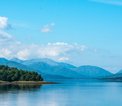

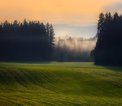

How to enjoy Scotland's lochs in peace, even when every car park seems full.
A defence of grey weather, wet boots, and the particular beauty of a loch in the rain.
A slow, quiet morning on one of Scotland's longest lochs taught me more about patience than any photography course ever did.
Lochside paths can turn from gentle stroll to genuine wilderness in minutes, and knowing how to read the terrain keeps you safe and curious.
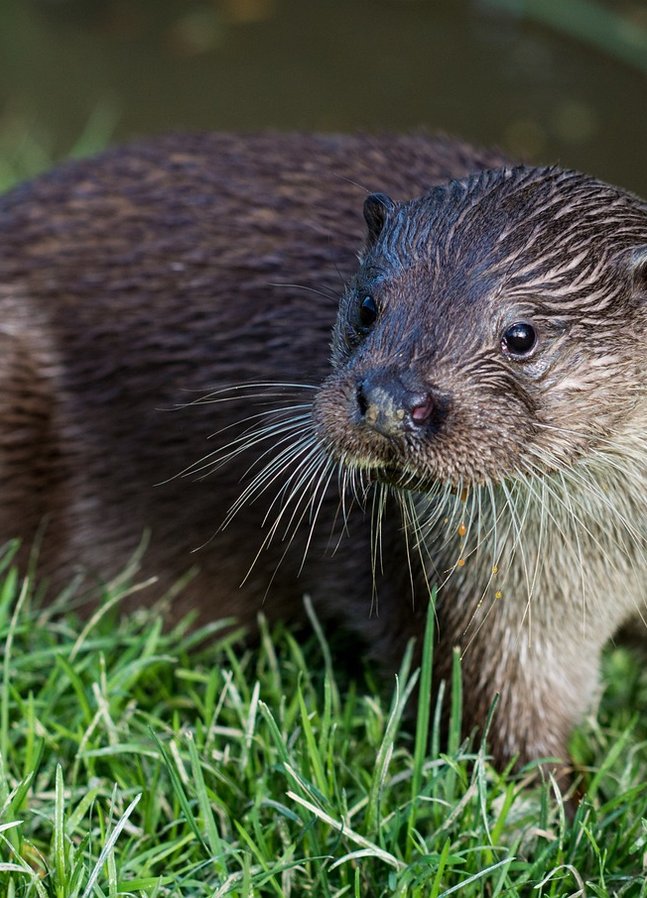
Otters are everywhere in Scotland and almost impossible to see, which is exactly what makes an encounter so unforgettable.