
The Quiet Art of Sitting Still: Wildlife Photography at a Highland Loch
There is a particular kind of stillness that only arrives after you have been sitting in one place for a long time. Not the forced stillness of holding your breath for a shot, but the deeper kind, when the birds and the small creatures around you seem to decide you are no longer a threat. I have come to believe this is where the real wildlife photography happens, long before the shutter ever clicks.
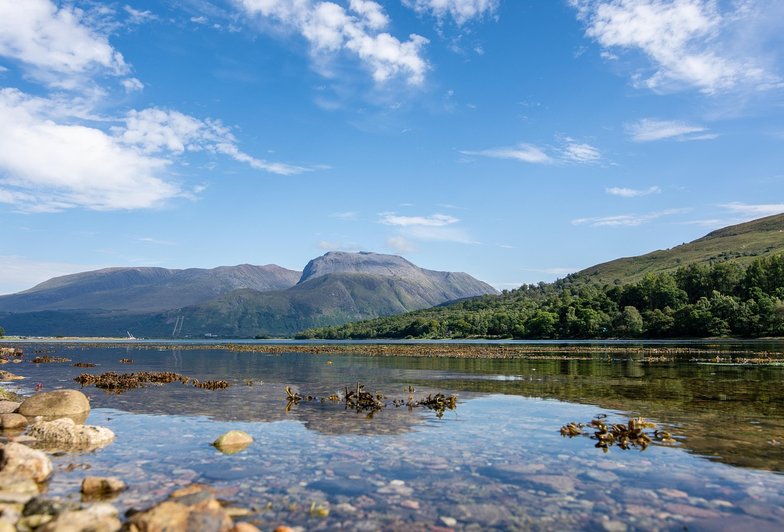
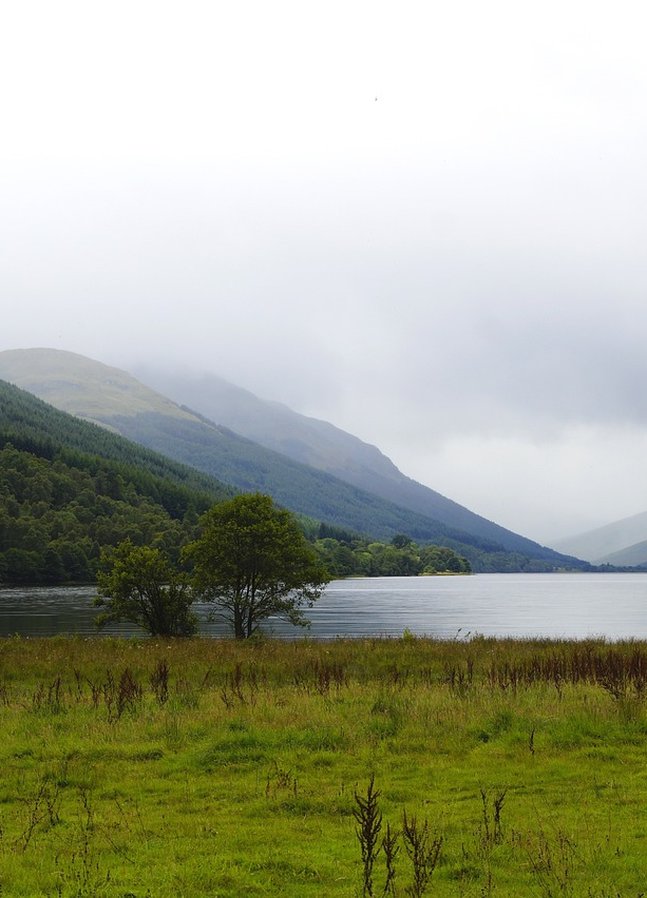
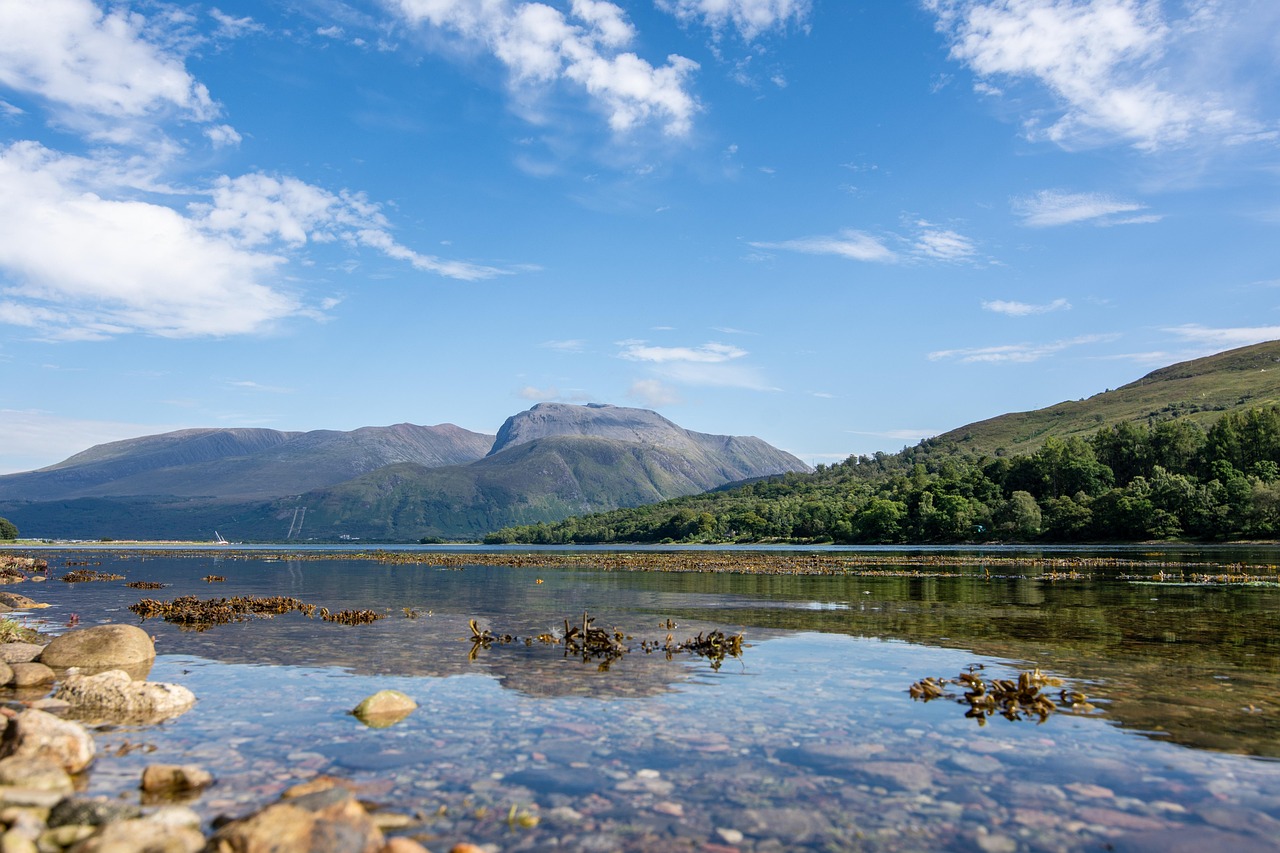
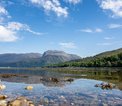
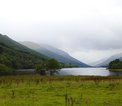
My usual spot is a flat rock on the southern shore of a loch I will not name, mostly because I am superstitious about it. I arrive before the midges are fully awake, which in summer means something close to four in the morning, and I settle in with a flask of tea and my camera resting across my knees. The first half hour is always the same. Nothing. A grey heron will be somewhere out on the water, too far to photograph, and the surface will be doing that thing where it looks like brushed pewter.
Why the Waiting Is the Point
New photographers often ask how to get closer to wildlife, and the honest answer is rarely about gear. It is about time. A heron that has watched you sit motionless for an hour will tolerate you at thirty metres. The same bird will lift off the moment a photographer who has just arrived starts creeping toward it. The difference is not technique. It is the fact that you have become part of the furniture.
This is genuinely hard to accept when you have driven two hours and the light is perfect and there is nothing in front of your lens. I have had entire mornings like that, and I have learned to treat them as the price of admission. The loch does not owe me a photograph. What it offers instead is a slow recalibration, a reminder that the natural world operates on a schedule that has nothing to do with my own.
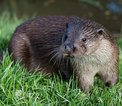
When something does happen, it tends to happen fast. A kingfisher will appear on a low branch you had already decided was useless. An otter will surface with a fish and spend ninety seconds wrestling with it before vanishing. You get perhaps three usable frames, and if you were not already in position, you get none. That is the bargain. The waiting buys you the chance to be ready.
Practical Notes From the Rock
None of this is complicated, but a few things make it easier. Wear dull colours, though not full camouflage, which tends to look odd to passing walkers. Keep your movements slow and lateral rather than sudden. Use a lens hood, since the light off a loch is relentless, and consider a bean bag rather than a tripod if you are lying low on a shore, because tripods are awkward to adjust without standing up.
Bring more layers than you think you need. Sitting still is far colder than walking, and the cold sneaks up on you. A sit mat or a folded piece of foam is worth its weight, because cold ground will end your session earlier than any lack of wildlife will.
Most of all, be willing to come home with nothing. Some of my favourite days by the water produced no photographs at all, just a heron, a rising mist, and the feeling of having been briefly allowed into a world that carries on perfectly well without us.
Why the best lochside photographs often come from the hours you spend doing absolutely nothing.
Everything I wish someone had told me before my first night under canvas beside a Scottish loch.
Learning to use birds as a guide to season, weather, and the hidden life of a Scottish loch.
How to enjoy Scotland's lochs in peace, even when every car park seems full.
A defence of grey weather, wet boots, and the particular beauty of a loch in the rain.