
Dawn on Loch Awe: Chasing Mist, Herons, and First Light
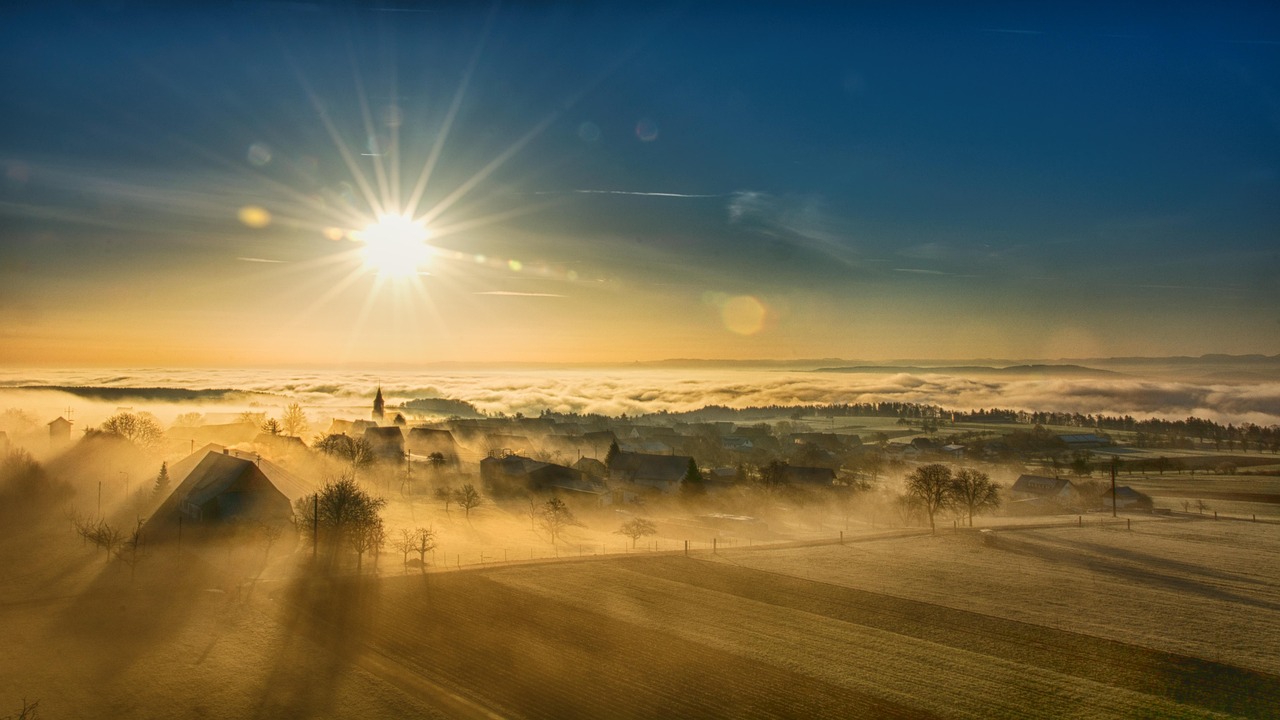
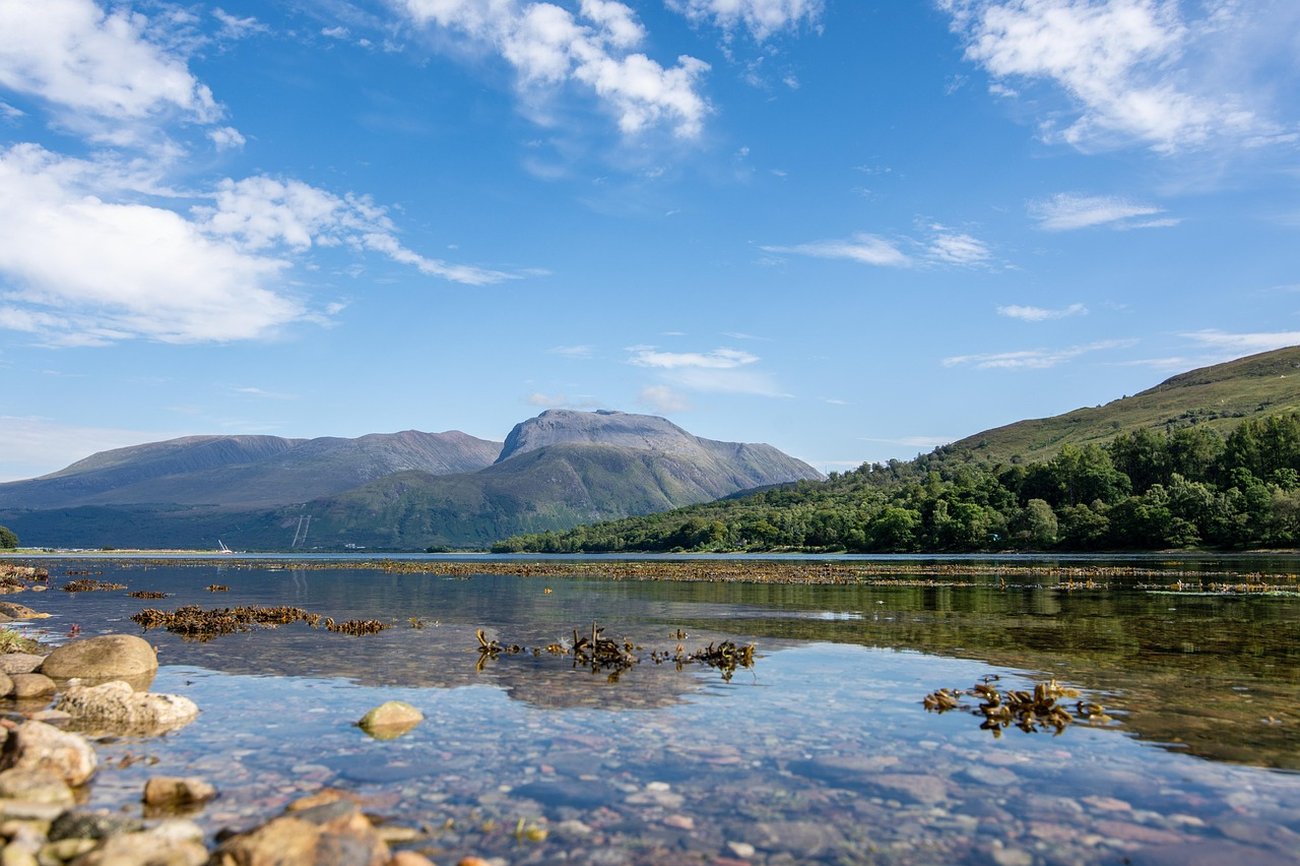
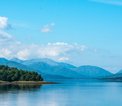
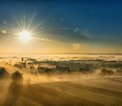
The alarm went off at 4:15am and, for once, I didn't argue with it. I'd spent the week watching weather forecasts the way other people watch football scores, and everything pointed to a still, cold morning with mist pooling low over the water. Loch Awe, stretching some twenty-five miles through Argyll, is a long, bony finger of water flanked by hills, and on a calm dawn it can look less like a lake and more like a held breath.
I parked near Kilchurn Castle, that lonely ruin on its spit of land, and walked the last stretch in near-darkness with a flask of coffee and my tripod over one shoulder. The heron was already there. It stood motionless at the water's edge, a grey statue against grey water, and I understood immediately that I was the intruder here, not it. I set up some distance away and waited.
What the Heron Knew
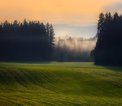
For the first twenty minutes, nothing happened. That's the honest truth of dawn photography, and it's the part nobody posts on social media. The light didn't explode. The mist didn't swirl dramatically. The heron didn't strike. It simply stood, and I simply stood with it, and slowly the sky went from charcoal to a bruised blue to something softer, apricot bleeding in from the east.
Then the heron moved. Not fast, not dramatically, just a slow unfolding of neck and a sudden, precise stab into the shallows. A small fish, hardly worth the wait to anyone but the bird itself. It swallowed, ruffled its feathers, and went back to being a statue. I took maybe four photographs in that entire stretch, and one of them, the bird silhouetted against the brightening water with mist curling around its legs, remains one of my favourites. Not because it's technically brilliant, but because I remember exactly how cold my hands were and how quiet the world felt.
Lessons From a Slow Loch
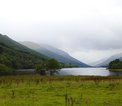
Loch Awe rewards slowness. If you rush it, you'll come away with nothing but grey rectangles and a damp jacket. The trick, I've found, is to pick one spot and commit to it rather than chasing the perfect vantage point up and down the shore. Bring more layers than you think you need. Bring a flask. Leave the phone in the bag. And when the light finally does something interesting, it will probably happen in about ninety seconds, so be ready, but don't spend the whole morning waiting for those ninety seconds either.
I packed up around eight, when the mist had burned off and dog walkers began appearing along the path. The heron stayed. I like to think it was unimpressed by all of us, and honestly, it had earned the right. On the drive home I stopped twice just to look back at the water, already planning the next visit, and the one after that. Some lochs you photograph once. Loch Awe, I suspect, is one you keep returning to for the rest of your life.
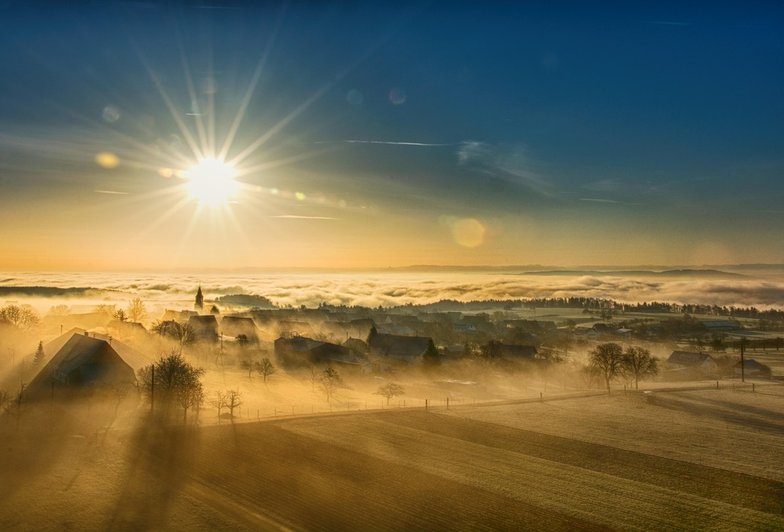
A slow, quiet morning on one of Scotland's longest lochs taught me more about patience than any photography course ever did.
Lochside paths can turn from gentle stroll to genuine wilderness in minutes, and knowing how to read the terrain keeps you safe and curious.
Otters are everywhere in Scotland and almost impossible to see, which is exactly what makes an encounter so unforgettable.
Keeping a journal through the seasons turned the same familiar loch into a place I'd barely known at all.
After years of overpacking, I finally worked out what a lochside day actually requires, and it's less than you think.