
Packing for a Loch Day: What Actually Earns Its Place in the Bag
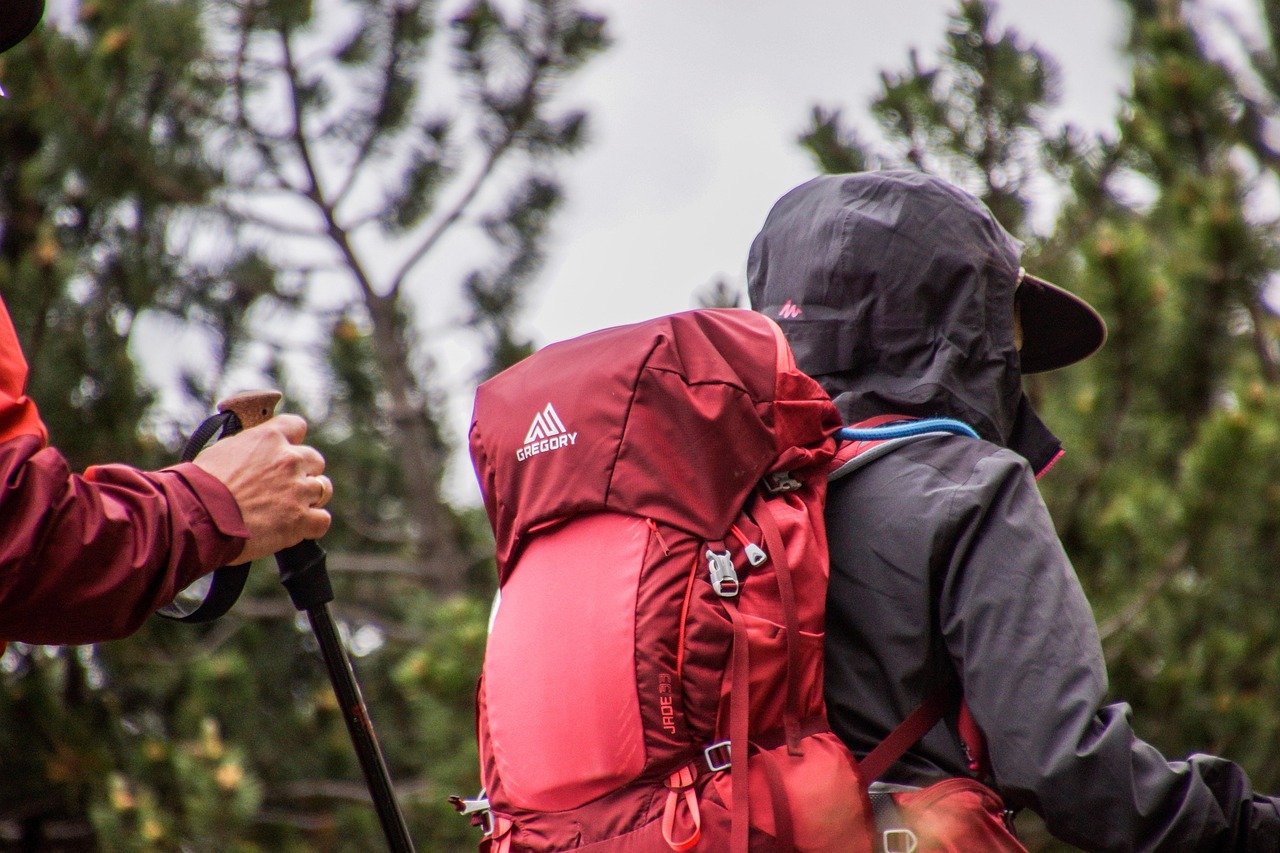
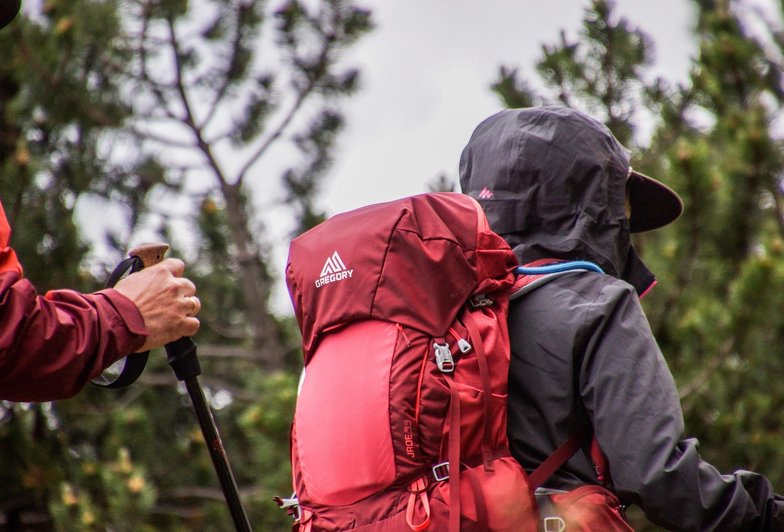
My first proper loch walk involved a rucksack so heavy I could barely lift it, containing, among other things, a spare pair of boots I never wore and a full camera kit I was too tired to use. I've since learned that the best days out are the ones where you forget you're carrying anything at all. Here's what's earned a permanent place in my bag, and what quietly got left behind.
The list will look different depending on whether you're walking, photographing, or journalling, but the principles are the same. Comfort beats cleverness. Layers beat gadgets. And anything you haven't used on three consecutive trips probably doesn't need to come on the fourth.
The Non-Negotiables
Waterproofs, always, even on a blue-sky morning. Scottish weather changes its mind faster than any forecast can keep up with, and a lightweight shell takes up almost no room. Next, spare warm layers, because standing still beside water is far colder than walking, and if you're photographing or sketching you'll be standing still a lot. A hat and gloves, even in summer, because lochside evenings bite.
Footwear depends on terrain, but for most loch paths I want something with grip and at least some water resistance. Not necessarily full mountaineering boots, but trainers will leave you miserable in bog. And socks. Bring a spare pair. This is not negotiable, and anyone who's walked with wet feet for six miles will tell you why.
Food and water are obvious, but I'd add a flask. A hot drink on a cold bank is one of life's great small pleasures, and it costs you almost nothing in weight. Finally, a headtorch. Even on a short walk. Even in June. Getting caught out by darkness near water is genuinely dangerous, and a headtorch weighs less than a sandwich.
The Camera Question
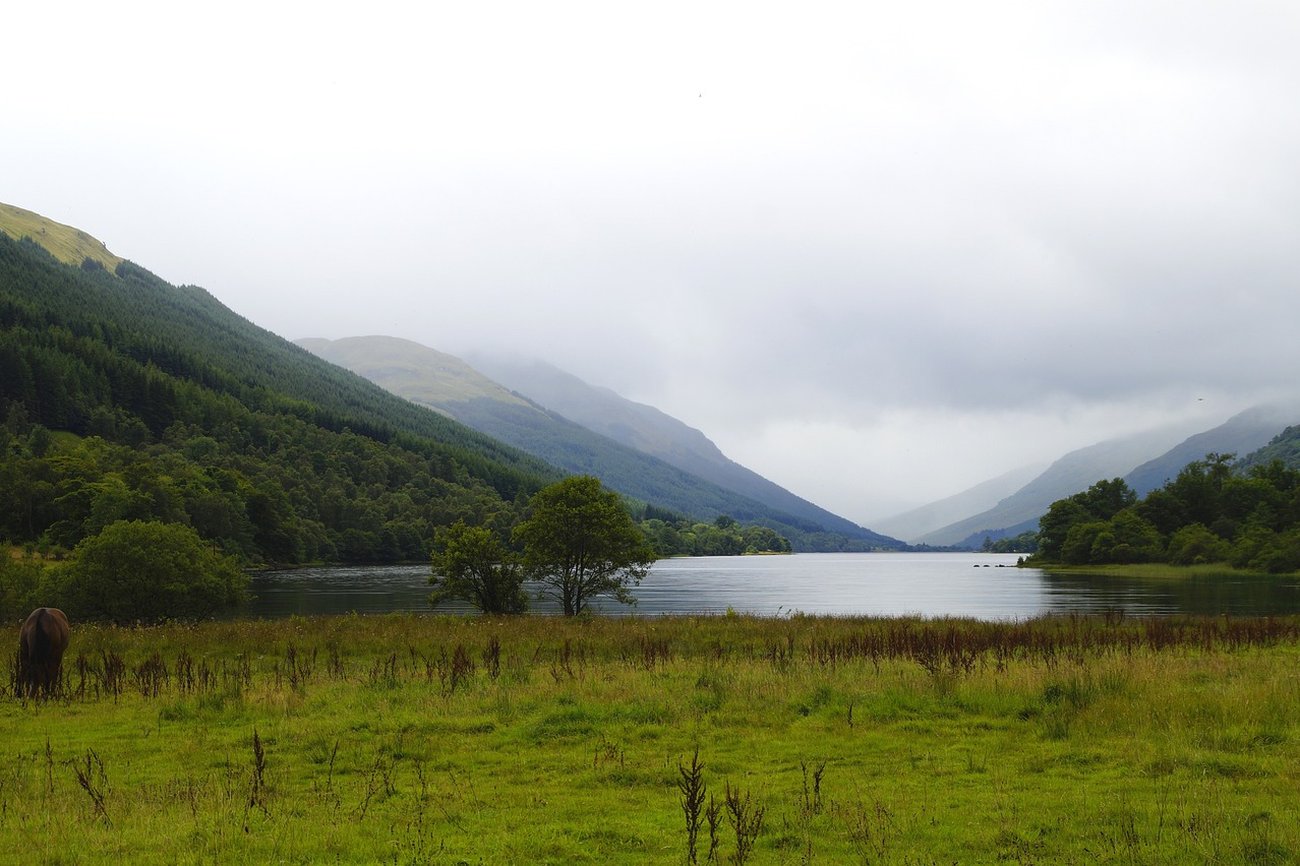
This is where people overpack most. My honest advice: take one body and one lens, and choose them based on what you actually want to photograph. For lochs and landscapes, a wide-to-standard zoom covers most situations. For wildlife, you need reach, and a long lens is heavy, so commit to it or leave it at home. Carrying two camera systems 'just in case' means you'll use neither properly and resent both.
A small tripod earns its place if you're serious about dawn light or long exposures, but a cheap lightweight one is often worse than none at all, wobbling in the wind and ruining the shot. If you're journalling, a pencil and a small notebook beat a fancy pen and a heavy sketchbook every time. Keep the kit small enough that you'll actually stop and use it.
Everything else, the spare lens you never mount, the second flask, the 'just in case' jacket, is weight you'll carry and regret. Pack light, pack warm, and leave room in the bag for the thing you can't plan for: a good hour sitting still, watching the water, with nothing to do but be there.
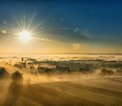
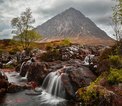
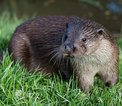
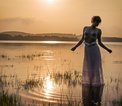
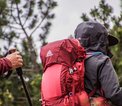
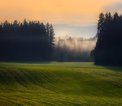
After years of overpacking, I finally worked out what a lochside day actually requires, and it's less than you think.
Why the best lochside photographs often come from the hours you spend doing absolutely nothing.
Everything I wish someone had told me before my first night under canvas beside a Scottish loch.
Learning to use birds as a guide to season, weather, and the hidden life of a Scottish loch.
How to enjoy Scotland's lochs in peace, even when every car park seems full.