

A Year of Lochs: What Changes From January to December
At the start of last year I made a simple resolution: visit the same loch once a month, every month, and write down what I saw. No grand expeditions, no ticking off summits. Just one small, familiar stretch of water, observed properly and repeatedly. It sounded almost too easy. It turned out to be the most rewarding thing I've done with a notebook in years.
The loch I chose is modest, a few miles of shoreline with a wooded bank on one side and open hills on the other. I know it well enough to walk it without thinking, which turned out to be exactly the problem. Familiarity had made me blind to it. The journal forced me to look again.
The Shape of a Year
January was grey and pared back. Bare trees, low light, and a strange stillness, broken only by the occasional crow. I wrote about how quiet it was and how much I noticed the sounds I normally ignore: water lapping, wind in bare branches, my own boots on gravel. February brought snow on the far hills, and the loch turned a hard, metallic blue that photographs poorly but stays in the memory.
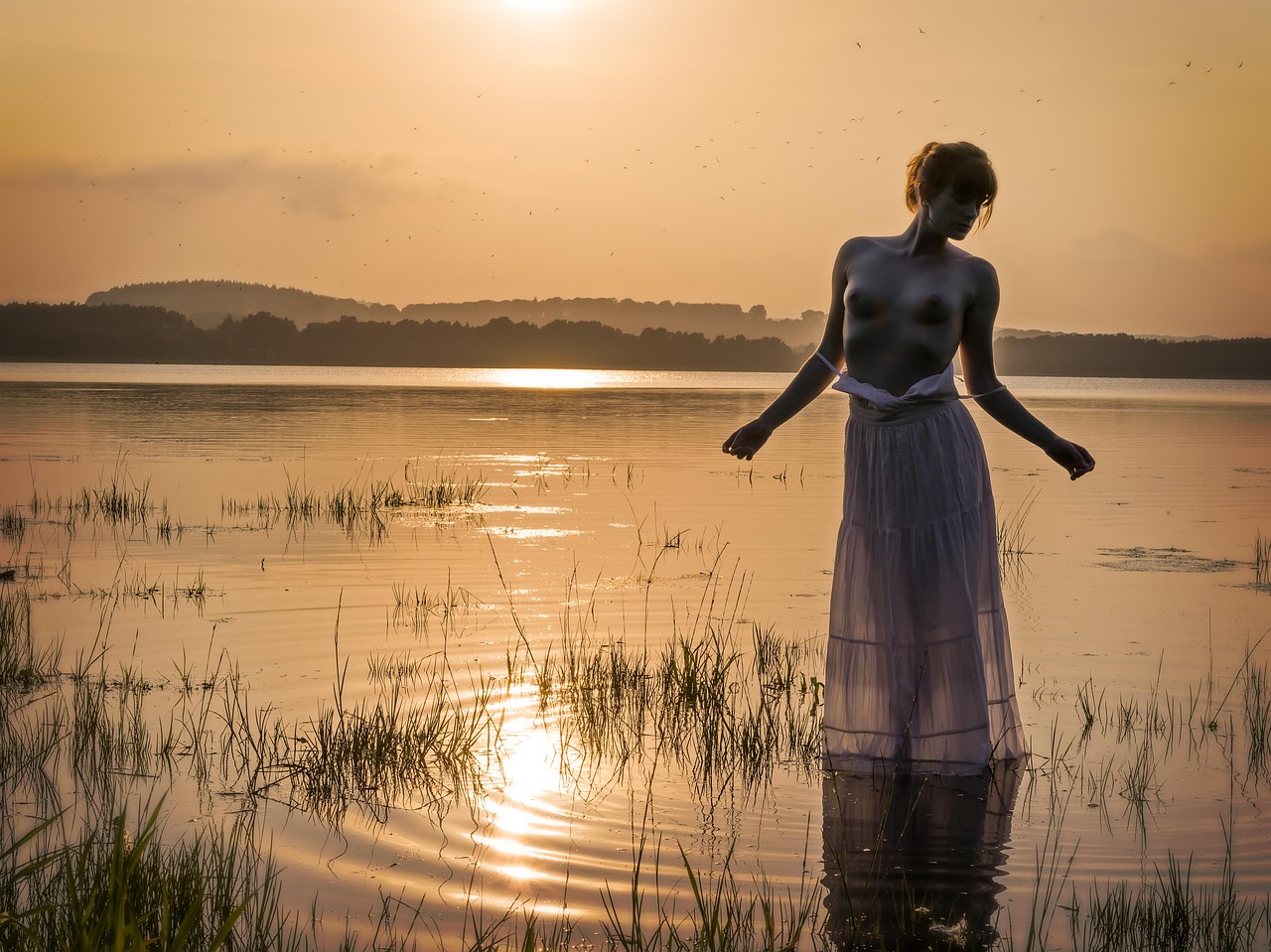
By April the wood was full of birdsong and the first green, and I found frogspawn in a puddle beside the path, which I'd somehow never noticed in all my years of walking there. June was midges and long evenings, water like glass, and a family of grebes that I watched for weeks. August was warm and busy with visitors, and I found myself resenting them slightly, then feeling guilty, then realising I was one of them once.
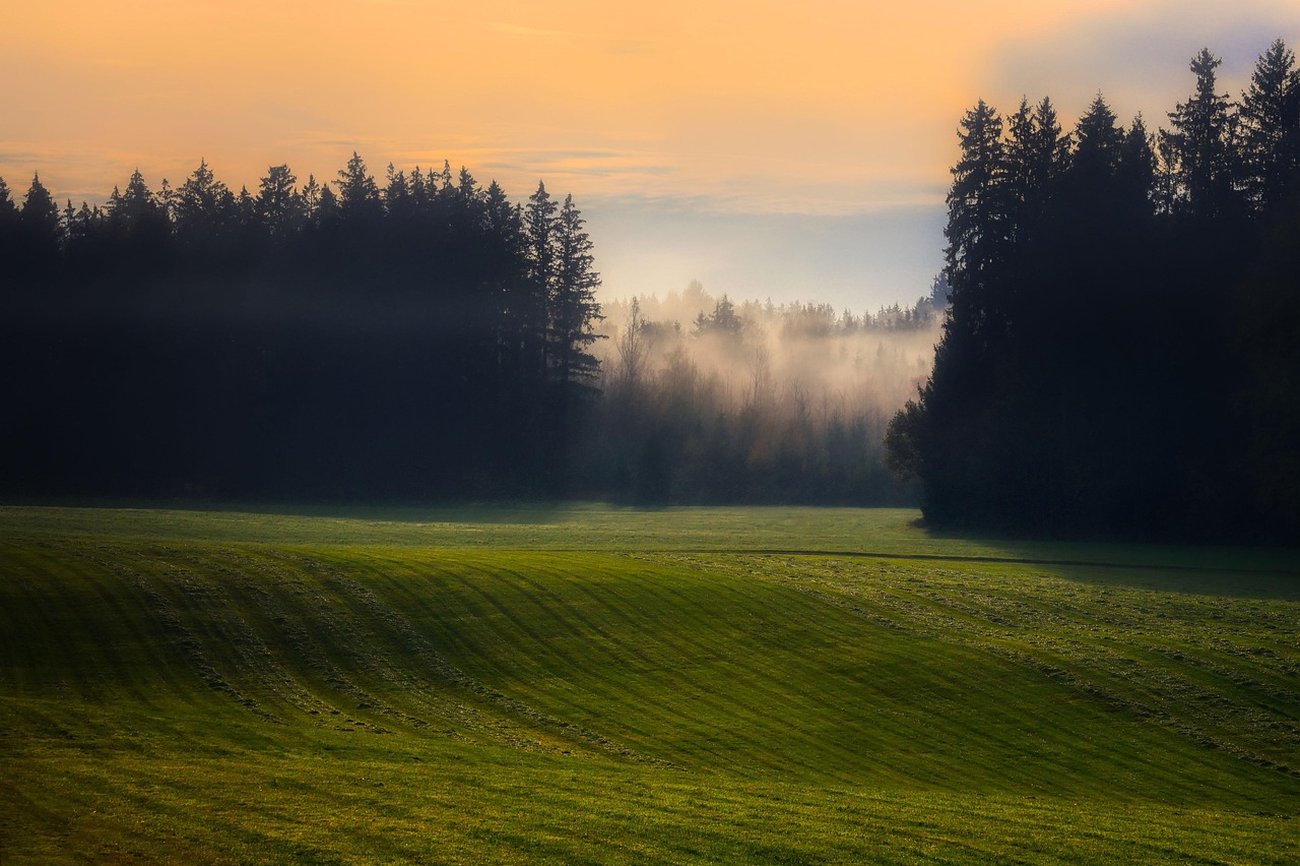
October was the revelation. The birch trees turned gold and the loch reflected them so perfectly that the line between water and sky disappeared. I sat for an hour and wrote almost nothing, which is its own kind of journal entry. December brought short days and a strange, beautiful emptiness, and by then I had a year of pages showing me something I hadn't expected.
Why Everyone Should Keep a Loch Journal
The surprise wasn't the wildlife or the weather. It was the continuity. Because I visited the same place over and over, I could see change happening rather than just noticing a single moment. I knew which tree the heron favoured. I knew when the swifts arrived and when they left. I knew which corner of the loch froze first. That depth of knowledge is impossible to gain from a one-off visit, no matter how spectacular the view.
You don't need expensive kit. A cheap notebook, a pencil, and a willingness to write badly are enough. Note the date, the weather, the water's colour, and three things you saw. Be honest about the midges. Over a year, those small entries add up to something quietly extraordinary: a portrait of a place, written by you, that no guidebook could ever replicate.
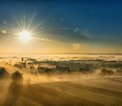
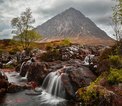

Keeping a journal through the seasons turned the same familiar loch into a place I'd barely known at all.
After years of overpacking, I finally worked out what a lochside day actually requires, and it's less than you think.
Why the best lochside photographs often come from the hours you spend doing absolutely nothing.
Everything I wish someone had told me before my first night under canvas beside a Scottish loch.
Learning to use birds as a guide to season, weather, and the hidden life of a Scottish loch.