



Otter Spotting on the Caledonian Canal: Patience, Luck, and Cold Fingers
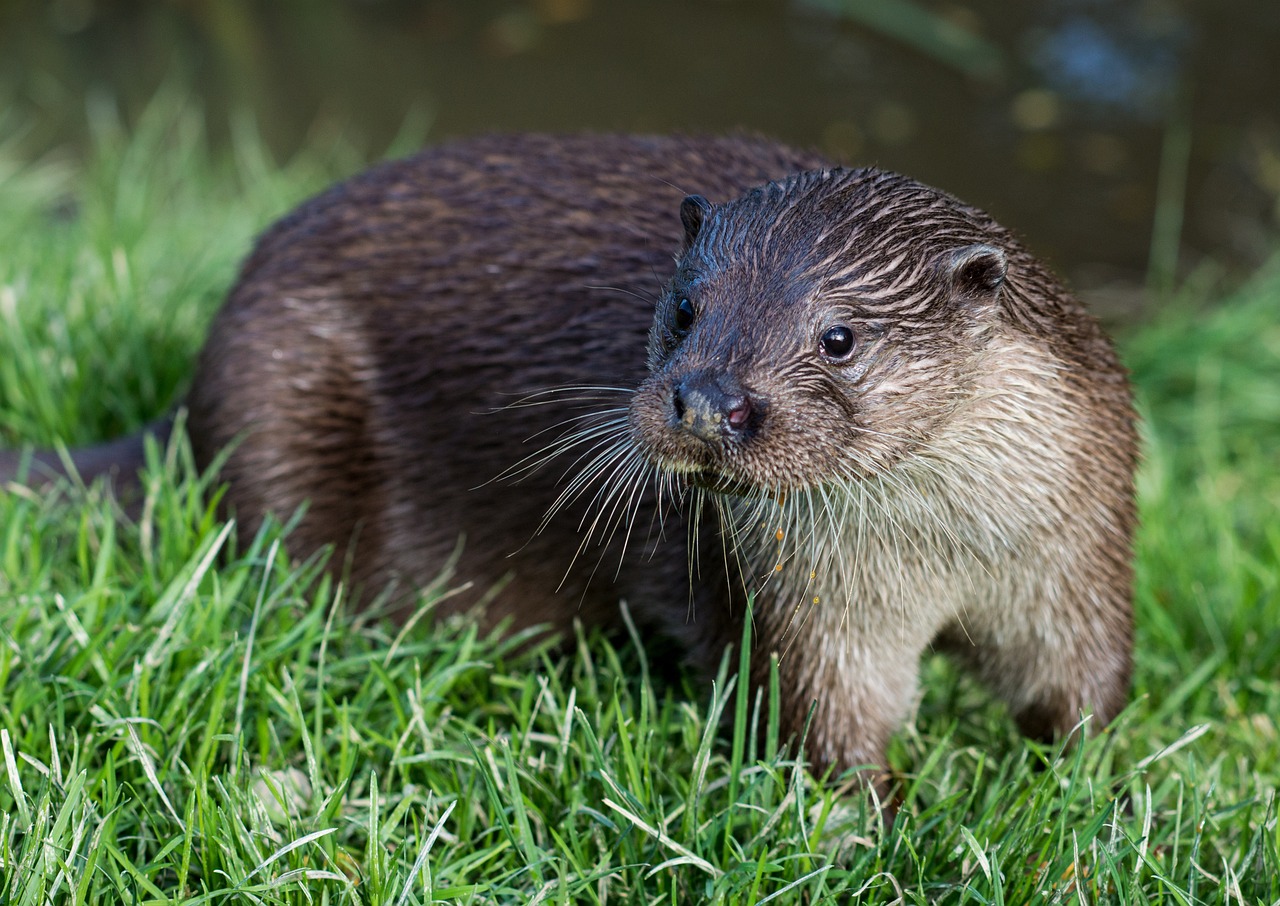
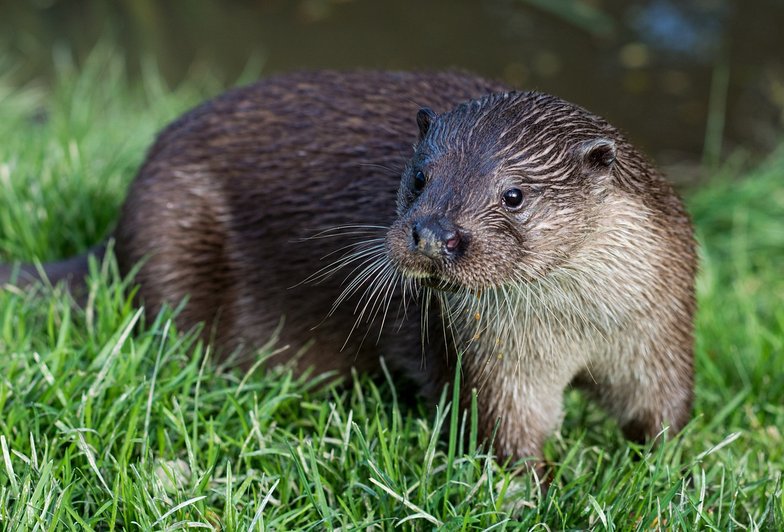
Everyone I know who spends time by water in Scotland has an otter story. The stories share a pattern: they weren't looking for one, it appeared briefly, and they've been chasing the feeling ever since. Otters are common along our lochs, canals, and coastlines, but common is not the same as easy. They are masters of the half-second glimpse, a dark back rolling through the water, a splash, and then nothing.
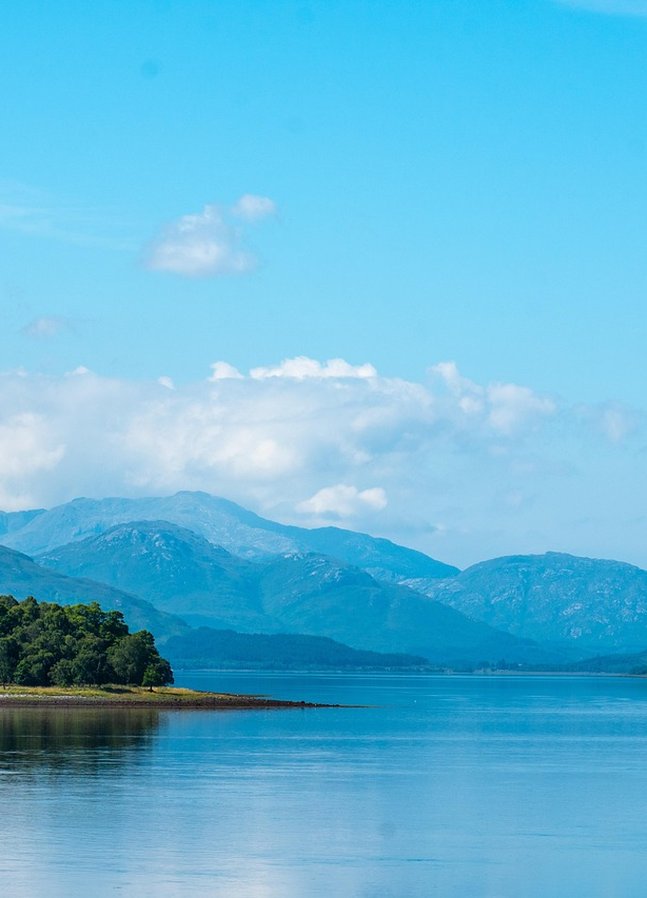
My own best encounter happened on the Caledonian Canal, that long ribbon of water linking lochs and sea, on a still evening in late autumn. I'd walked a stretch I know well, sat down on a bank to eat a sandwich, and stopped paying attention. That, it turns out, is the secret.
Looking for the Signs, Not the Animal
Otters are easiest to find by their leavings rather than their bodies. Look for spraint, which is the polite word for otter droppings, usually left on prominent rocks, bridge ledges, or grassy mounds near water. It's often dark and tarry, sometimes full of fish bones and scales, and it has a distinctive, not unpleasant, faintly fishy smell. Find regular spraint and you've found a territory.
Also watch for runs, low flattened paths through grass or reeds leading down to the water, and for holts, which are their dens, often in root systems, under bridges, or in old stonework. If you find a stretch of bank with plenty of these signs, you're in the right place. Now the hard part: sitting still, repeatedly, at the right times, which are usually dawn and dusk.
The Art of Sitting Still
Otters have excellent hearing and a good sense of smell, and they are wary of people. The trick is to arrive before they do, position yourself low and quiet, ideally with some cover, and then genuinely stop moving. Not 'checking your phone every two minutes' still. Properly still. It can take several visits before anything happens, and many visits where nothing does.
When it does happen, it's rarely cinematic. My canal otter surfaced maybe fifteen metres away, looked at me with what I can only describe as mild contempt, dived, and reappeared further along the bank, where it hauled out, ate something small and wriggling, and slipped back into the water. The whole thing lasted perhaps forty seconds. My fingers were numb, my tea was cold, and I was completely delighted.
If you go looking, bring binoculars, wear dull colours, keep your distance, and never disturb a holt or a mother with cubs. The point isn't a photograph. The point is the reminder that these animals are out there, living their secretive lives along the same water we walk beside, and that once in a while, if we're patient and lucky, they let us see.





Otters are everywhere in Scotland and almost impossible to see, which is exactly what makes an encounter so unforgettable.
Keeping a journal through the seasons turned the same familiar loch into a place I'd barely known at all.
After years of overpacking, I finally worked out what a lochside day actually requires, and it's less than you think.
Why the best lochside photographs often come from the hours you spend doing absolutely nothing.
Everything I wish someone had told me before my first night under canvas beside a Scottish loch.