


Rain, Rain, and More Rain: Why a Wet Day by a Loch Is Worth It
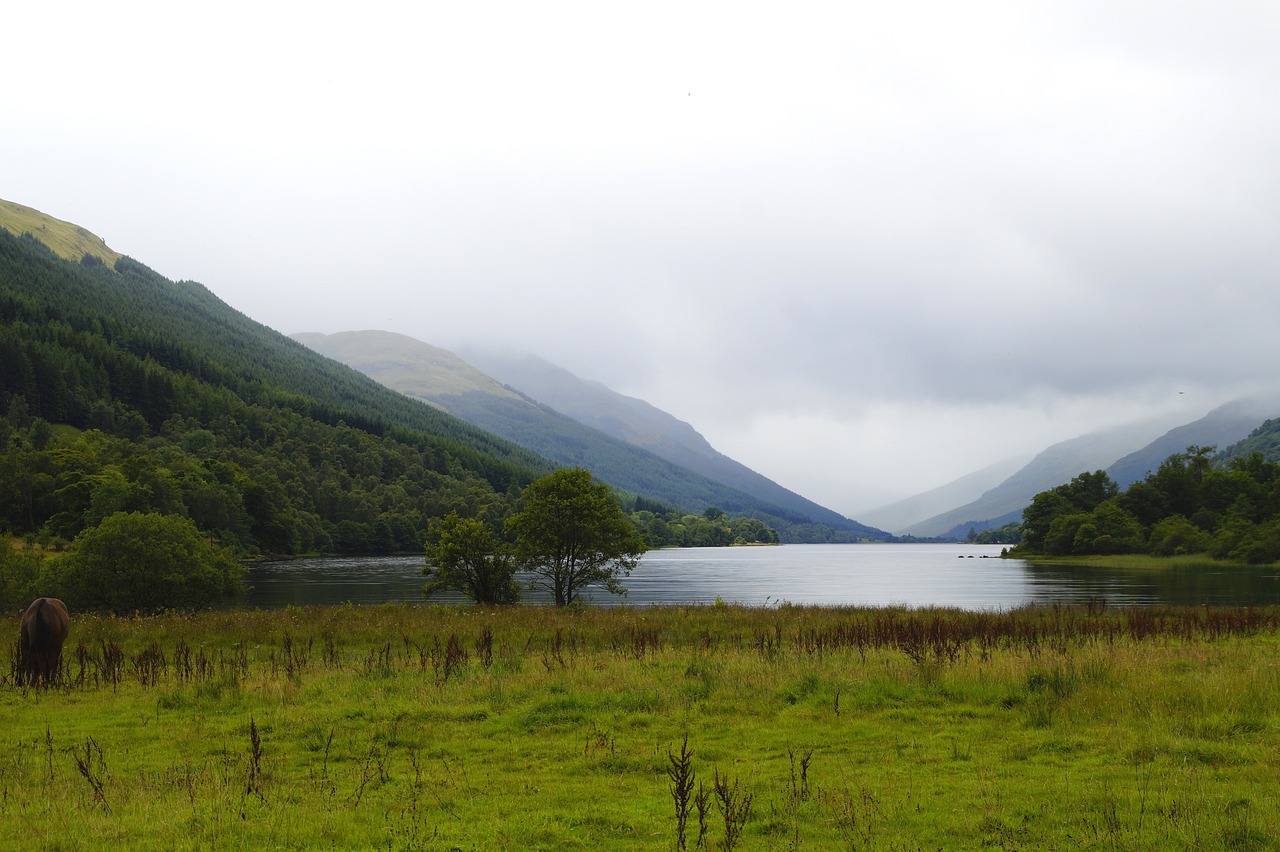
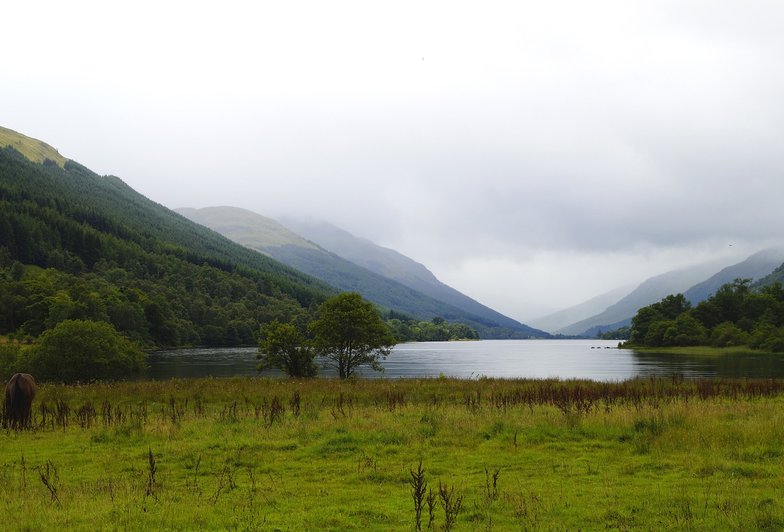
Nobody plans a trip to a Scottish loch hoping for rain, and yet some of my most memorable days have been thoroughly wet ones. Not the dangerous kind, where the wind is up and the water is white and you should be indoors, but the soft, persistent kind that settles in for the day and turns the hills into layers of grey.
The first thing to accept is that you will get wet. Not catastrophically, if you are sensible, but your boots will be damp, your trousers will soak from the knee down in long grass, and your camera bag will wear a fine film of water no matter what you do. Once you have accepted this, the day opens up. The pressure to find the perfect view lifts, and you start noticing things you would have walked straight past in sunshine.
What the Rain Reveals
Rain changes the sound of a loch. The surface takes on a texture, a fine stipple that spreads and merges, and the noise of it on the water and the leaves becomes a kind of background music. Birds behave differently too. They tend to be closer to cover, working the sheltered edges, and if you are quiet you can sometimes get very near indeed. A dipper on a burn in the rain is one of the great small sights of a Scottish winter.
The light, when it comes, is often better than a clear day. Overcast skies give you a soft, even illumination with no harsh shadows, which suits the greens and greys of a wet landscape. And when a shower passes and the cloud breaks, you sometimes get a few minutes of extraordinary light, low and golden, with mist rising off the water. Those windows are short and unpredictable, but they are worth waiting for.
Smells are stronger in the rain, which sounds like a strange thing to write but is true. Wet pine, wet heather, wet stone. If you keep a nature journal, a wet day gives you more to write about than a dry one, because the place is more alive.
Making It Bearable
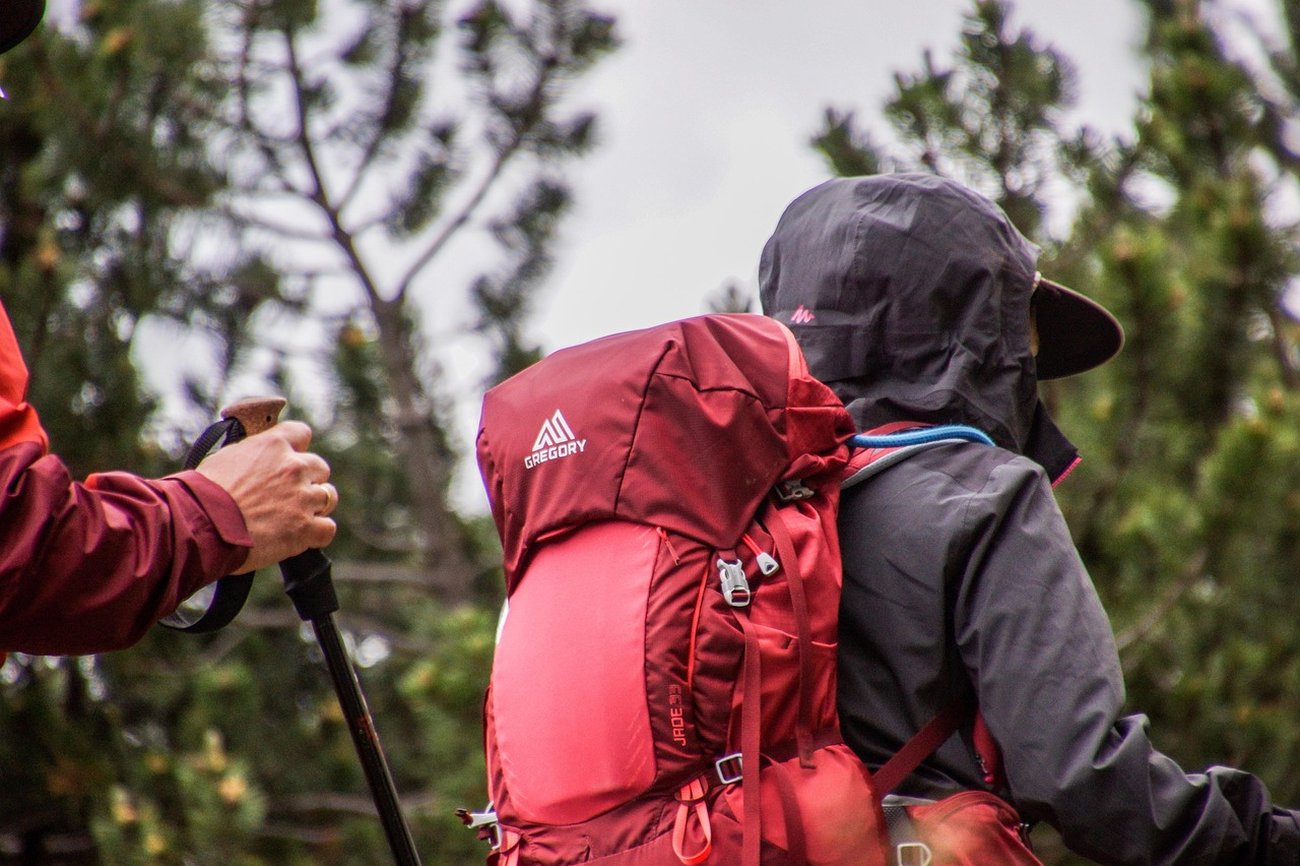
A few practical things make a wet day work. A proper waterproof jacket with a hood that stays up in wind is not optional. Waterproof trousers, however unfashionable, transform the experience. Boots that are actually waterproof, not merely water-resistant, are worth the money. And a dry bag inside your pack means your spare layers are dry when you need them.
Take a flask. Take a spare pair of gloves. Take a small cloth for your lens, and accept that you will spend a lot of time wiping it. A lens hood helps keep rain off the front element, and a simple rain cover for your camera costs very little.
Plan a shorter route than you would in good weather, and plan it so you have the option to cut it short. A bothy, a cafe, or a car you can retreat to makes a wet day feel like an adventure rather than an endurance test. And if the weather turns genuinely bad, with strong wind and heavy rain, turn back. The loch will still be there.
Go out in the rain once, properly equipped and with modest expectations, and you may find, as I did, that the grey days become the ones you look forward to.




A defence of grey weather, wet boots, and the particular beauty of a loch in the rain.
A slow, quiet morning on one of Scotland's longest lochs taught me more about patience than any photography course ever did.
Lochside paths can turn from gentle stroll to genuine wilderness in minutes, and knowing how to read the terrain keeps you safe and curious.
Otters are everywhere in Scotland and almost impossible to see, which is exactly what makes an encounter so unforgettable.
Keeping a journal through the seasons turned the same familiar loch into a place I'd barely known at all.