
Mist, Midges, and the Middle of Nowhere: A Beginner's First Wild Camp by a Loch
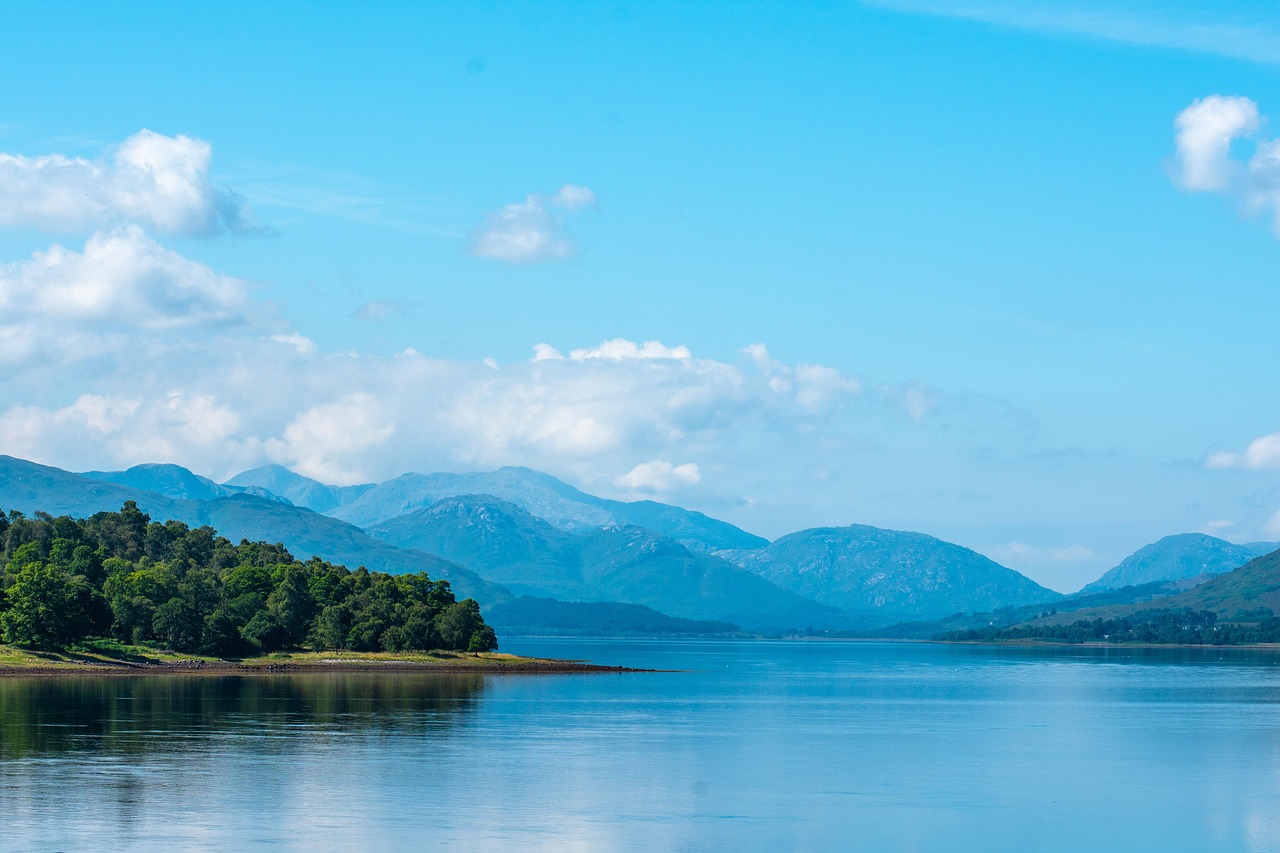
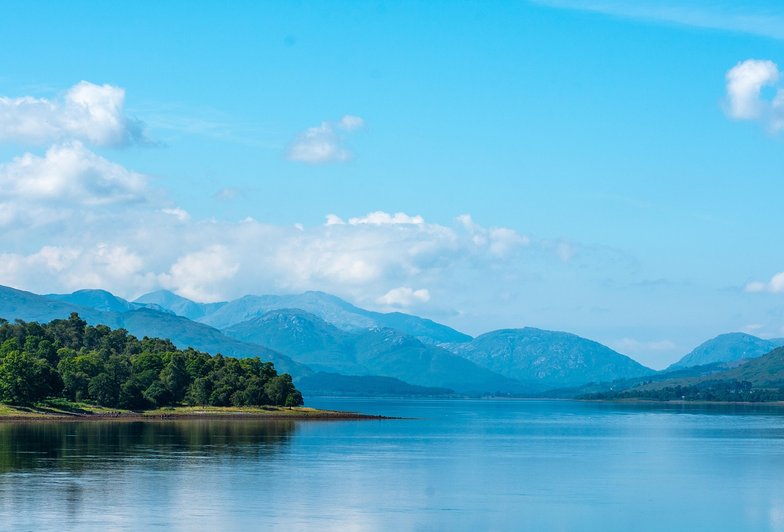
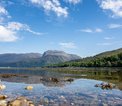
My first wild camp was not the serene experience the photographs suggest. I pitched my tent on a slope, discovered at midnight that my sleeping mat had a slow puncture, and spent a substantial part of the night listening to something large moving through the heather and trying to convince myself it was a deer. It was almost certainly a deer. But by morning, with the loch flat and silent and the hills holding a thin band of cloud, I understood why people do this again and again.
If you are thinking about your first night out, there is a particular kind of lochside camping that suits beginners well. You want somewhere a reasonable walk from a road, but not so remote that a problem becomes serious. You want ground that is flat and, crucially, dry. And you want to be honest with yourself about the weather, because a Scottish forecast is a suggestion rather than a promise.
Choosing Your Spot
The romantic instinct is to pitch right at the water's edge. Resist it. Loch shores are often boggy, the midges are worst in the damp air by the water, and if the wind gets up in the night you will feel every gust. A better plan is to find a spot twenty or thirty metres back, on slightly raised ground, ideally with a hill or a stand of trees between you and the prevailing wind.
Look for ground that is already bare or short-cropped. Pitching on deep heather is uncomfortable and damages the plant, and pitching on the sort of flat green grass that looks perfect is often flat because it is regularly soaked. If you can, arrive with enough daylight to look around properly. Arriving at dusk means you will take the first spot you find and regret it.
Check where you are allowed to be. Scotland's access arrangements are generous, but they come with responsibilities, and the guidance around loch shores, farmland, and protected areas is worth reading properly rather than skimming. Leave no trace is not a slogan here. It is the whole point.
The Kit That Actually Matters
You do not need much, but the few things you do need matter enormously. A reliable sleeping mat is more important than a fancy sleeping bag, because the cold comes up through the ground and no amount of down will save you from a bad mat. A tent that handles wind is worth more than one that saves a few hundred grams. And a midge head net costs almost nothing and can be the difference between a pleasant evening and a miserable one.
Take more water than you think, or a filter, because loch water looks inviting and is not always a sensible drink. Take a head torch, even in summer, because it gets darker than you expect. And take a stove, because a hot drink at dusk does something for morale that is hard to explain.
The first night is usually the worst. By the second, your body has adjusted, your pitch is better, and the loch has stopped being scenery and started feeling like somewhere you belong. That is the part worth going back for.

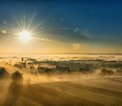
Everything I wish someone had told me before my first night under canvas beside a Scottish loch.
Learning to use birds as a guide to season, weather, and the hidden life of a Scottish loch.
How to enjoy Scotland's lochs in peace, even when every car park seems full.
A defence of grey weather, wet boots, and the particular beauty of a loch in the rain.
A slow, quiet morning on one of Scotland's longest lochs taught me more about patience than any photography course ever did.