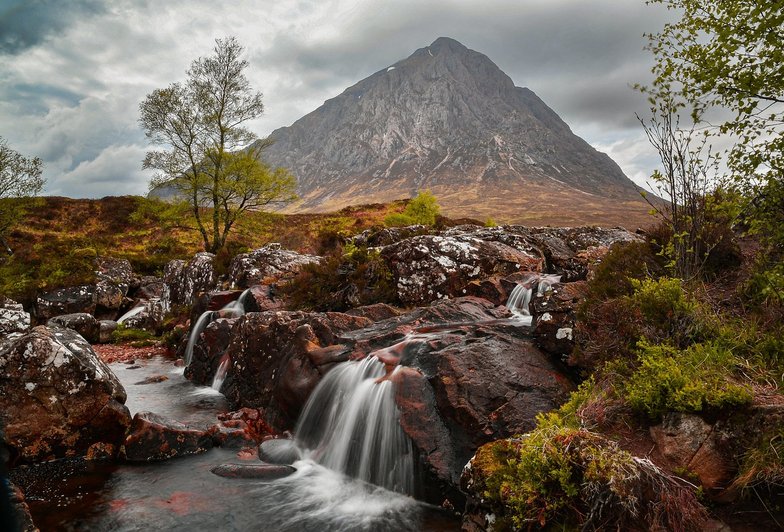



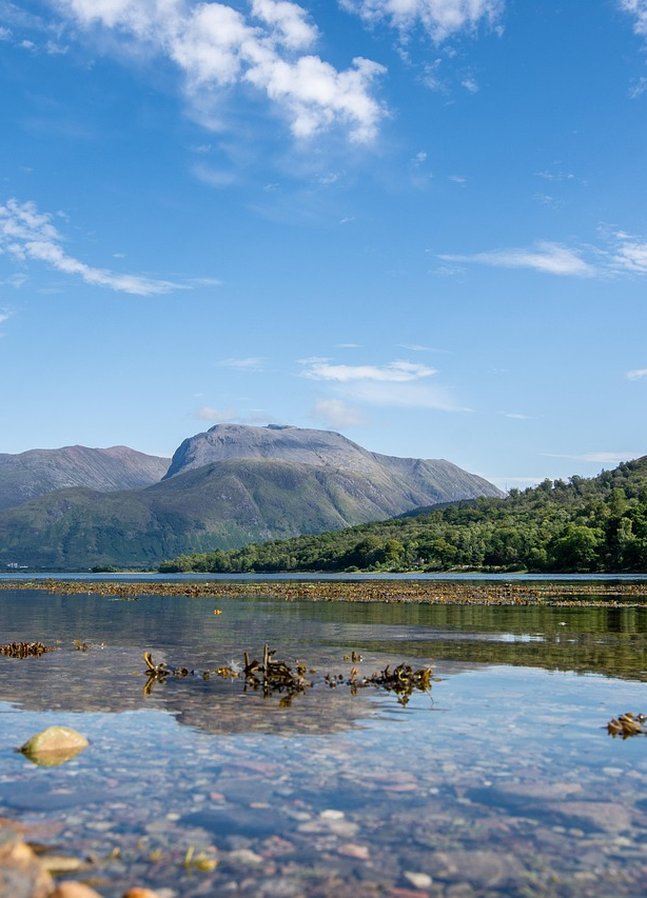
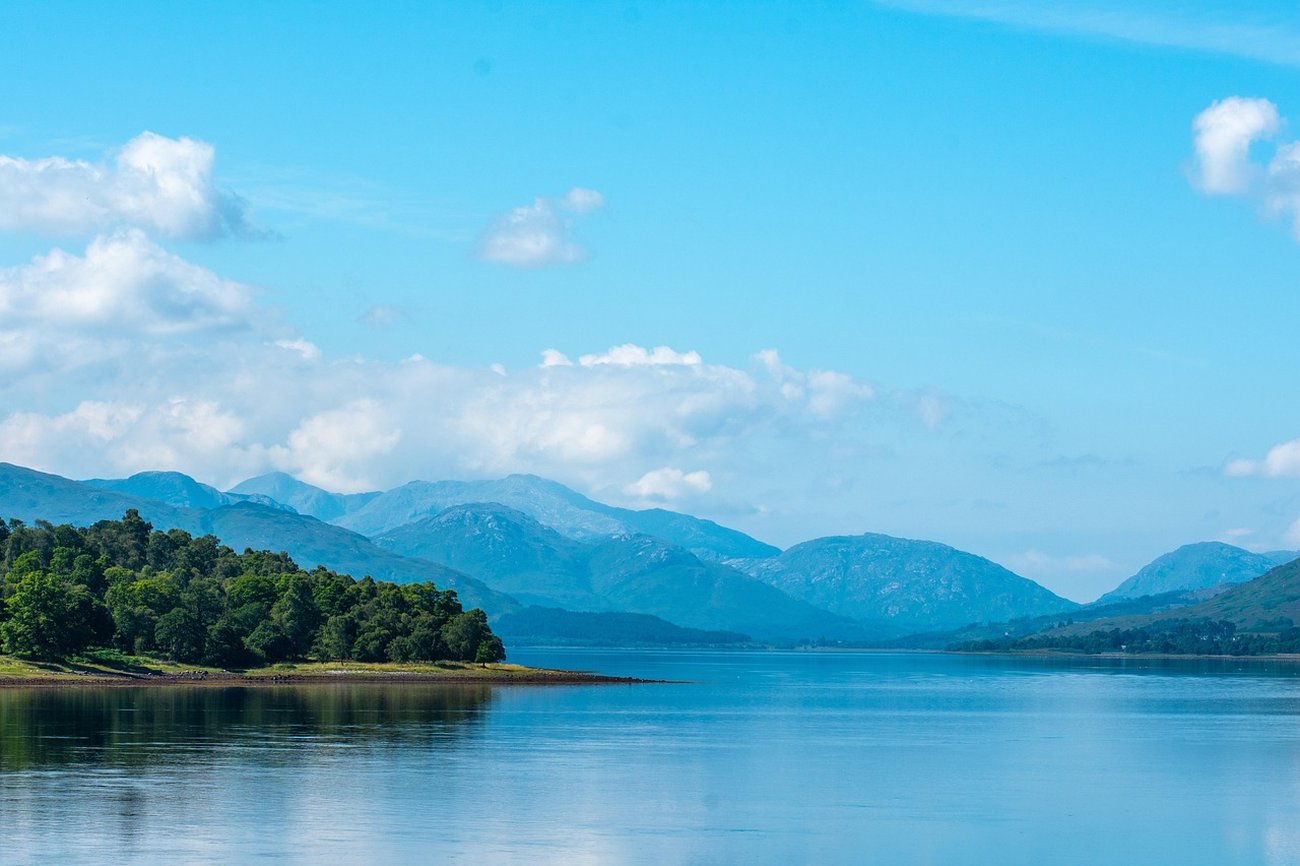

Reading the Hills: A Beginner's Guide to Navigation Around Scottish Lochs
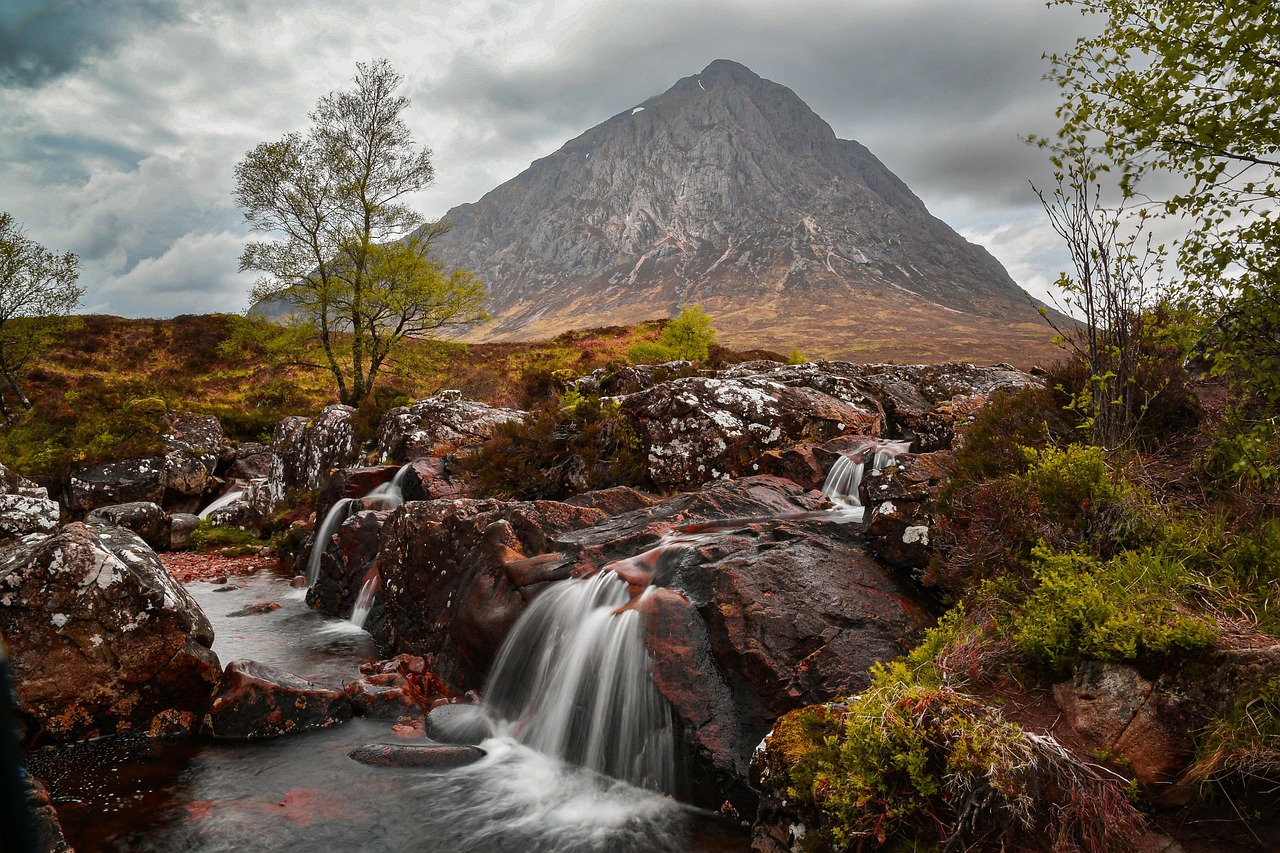
There's a particular kind of confidence that comes from walking beside a loch on a clear day. The path is obvious, the water is on your left, the hills are on your right, and everything feels manageable. Then the cloud drops, the path forks without warning, and suddenly you're standing in a bog with a map that seems to be written in a foreign language. I've been that person. Most of us who walk in Scotland have.
Navigation around lochs is its own skill, different from navigating a straightforward summit path. Water distorts distance, bends sound, and hides the terrain you actually need to read. Learn a few habits, though, and the hills become far friendlier places.
The Water Is Your Compass, Until It Isn't
Following a shoreline sounds foolproof, and for short, well-trodden lochs it often is. But shorelines wander. They fold into hidden bays, dead-end at crags, and turn into impassable marsh after heavy rain. A loch that looks like a simple oval on the map may take three times as long to walk around as you expect. I learned this the hard way on a supposedly easy circuit, where a 'short detour' inland added two hours and a lot of wet socks.
The fix is to check the map for contour lines close to the shore. If they crowd together right at the water's edge, the shoreline path will be a scramble or won't exist at all, and you'll need to climb above it. If they're widely spaced, you're probably fine. Also watch for forestry plantations, which swallow paths whole and are miserable to navigate through.
Small Habits That Save Big Days
First, always know roughly where the sun will be and roughly what time it sets. Scottish lochs in winter go dark alarmingly early, and a headtorch is not optional equipment, it's essential. Second, take a paper map and a compass even if you use your phone. Batteries die, screens crack, and signal vanishes in glens. Third, tell someone where you're going and when you expect to be back, and actually stick to the plan or message if you change it.
Pay attention to the ground underfoot as a source of information. Deer tracks, faint paths through heather, and old fence lines often lead somewhere useful. Sheep tracks can too, though sheep have no interest in your safety and will happily lead you onto a ledge. And if the weather closes in, don't push on out of stubbornness. Turning back early is not failure. It's the single most useful navigation skill there is.
The hills around our lochs are generous on good days and indifferent on bad ones. Learning to read them, slowly and with humility, is one of the great pleasures of walking here. Start small. Walk the same loch in different seasons. You'll be amazed how much the landscape teaches you when you're willing to listen.



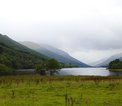


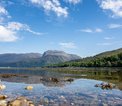
Lochside paths can turn from gentle stroll to genuine wilderness in minutes, and knowing how to read the terrain keeps you safe and curious.
Otters are everywhere in Scotland and almost impossible to see, which is exactly what makes an encounter so unforgettable.
Keeping a journal through the seasons turned the same familiar loch into a place I'd barely known at all.
After years of overpacking, I finally worked out what a lochside day actually requires, and it's less than you think.
Why the best lochside photographs often come from the hours you spend doing absolutely nothing.